Turning IB digital assessment data into actionable insights
By Sidhi Baweja
Sidhi Baweja brings 11+ years of experience across consulting and edtech, with previous roles at KPMG and Accenture. At AssessPrep, she writes on IB assessment, digital examination workflows, and the operational side of running on-screen assessments for international schools.

Download Resource!
Unlocking Real-time student insights in IB digital assessments
As IB educators, you are shaping globally minded, reflective learners. Formative checkpoints with criterion-referenced rubrics create evidence about learning through IB digital assessment. But is your digital assessment actually revealing insights for driving instruction?
When evidence stays fragmented, we miss the story it tells about how students learn. Bridging this gap means using patterns in digital assessment to shape instruction. These insights are central to effective teaching.
TL;DR
IB digital assessment data turns into actionable instructional insight when teachers move from collecting raw scores to reading patterns: traffic-light dashboards for class performance, question-level error analysis, criterion-by-criterion gap tracking, and individual question-type drill-downs. AssessPrep's analytics surface all four for IB MYP and DP teachers in real time.
Insight type | What it gives you |
Traffic-light class view | An instant colour-coded read of who is struggling and who is excelling on a given assessment, so you group students for follow-up the same day. |
Question-level error analysis | Visibility into which questions the class struggled with (by type, linked standard, average score, correct-response frequency), so misconceptions get addressed in a targeted mini-lesson. |
Criterion-by-criterion tracking | Average achievement level per IB criterion (A, B, C, D), so you can tell whether Criterion A needs more modelling or Criterion B is consistently met. |
Individual question-type drill-down | Per-student mastery at the question-type level, so feedback conversations and goal-setting are anchored in each student's specific assessment profile. |
Outcome | Better-targeted instruction, reduced grading time, and a data-driven feedback loop aligned with the IB philosophy of growth, not grades. |
The power of evidence-based teaching in digital assessments
In today's classrooms, intuition and summative scores are not enough. IB digital assessment lets teachers fine-tune their approach based on real-time performance insights. Instead of guessing, you are guided by evidence.
Whether in DP or MYP, digital assessment is a cornerstone of effective teaching. The IB framework emphasises ATL skills for developing reflective learners. Holistic development like this requires feedback-rich environments powered by digital assessment.
For this, educators need analytics that reveal trends, uncover misconceptions, and illuminate each learner's unique trajectory. A modern digital assessment platform makes that individualisation scalable.
Research-backed strategies for driving digital assessment success
In every IB programme, digital assessment is designed to inform teaching, not just measure it.
It has been evidenced that teachers running ongoing digital assessment and feedback workflows foster stronger "assessment as learning" cultures and deeper conceptual understanding. Digital assessment tools give teachers timely data for immediate intervention. These quick insights are catalytic for providing feedback in IB classrooms.
Insights from digital assessments support early detection of strengths and misconceptions. They help teachers sharpen their instructional focus by teaching exactly the skills and concepts learners are missing.
How to turn digital assessment data into classroom action
With tools like AssessPrep, you are not just collecting assessment data. You are unlocking insights for meaningful instruction. Here is how to turn raw assessment information into targeted classroom strategies.
✅ Tip 1: Traffic-light check: instantly visualise class performance on assessments
The grading tools should help you instantly view class-wide performance through a colour-coded dashboard. At one glance, you should be able to identify students performing below expectations and those excelling. These visual cues help you focus your attention where it is most needed.
Action: Sort your class by performance colours and group students for personalised follow-ups. This helps you design immediate remediation tasks or extensions.
✅ Tip 2: Error analysis by analysing question-level insights
With the right technology, you should be able to see which questions the class struggled with, alongside key metrics like question type, linked standards, highest and average scores, and frequency of correct responses. That uncovers patterns in misunderstanding.
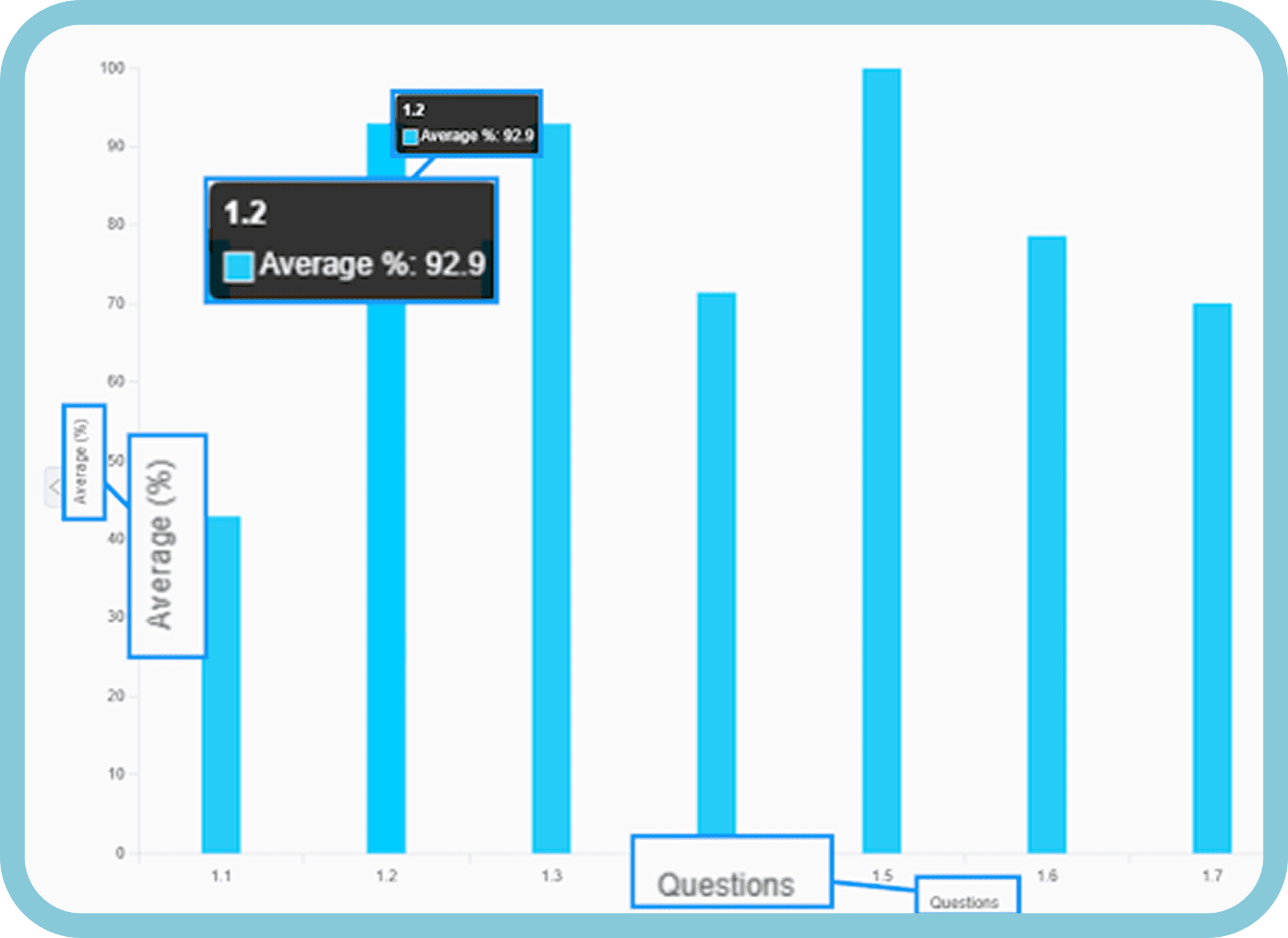
Action: After spotting low-performing questions, revisit the related concepts in class. Clarify misconceptions with a mini-lesson or class discussion. Refine future tasks based on the analytics.
✅ Tip 3: Criterion gap conference: track criterion-level understanding at a glance
You should be able to see a comprehensive view of performance across each IB digital assessment criterion. Digital assessment platforms like AssessPrep calculate the average achievement level for each criterion, which tells you whether learning outcomes are being met consistently.
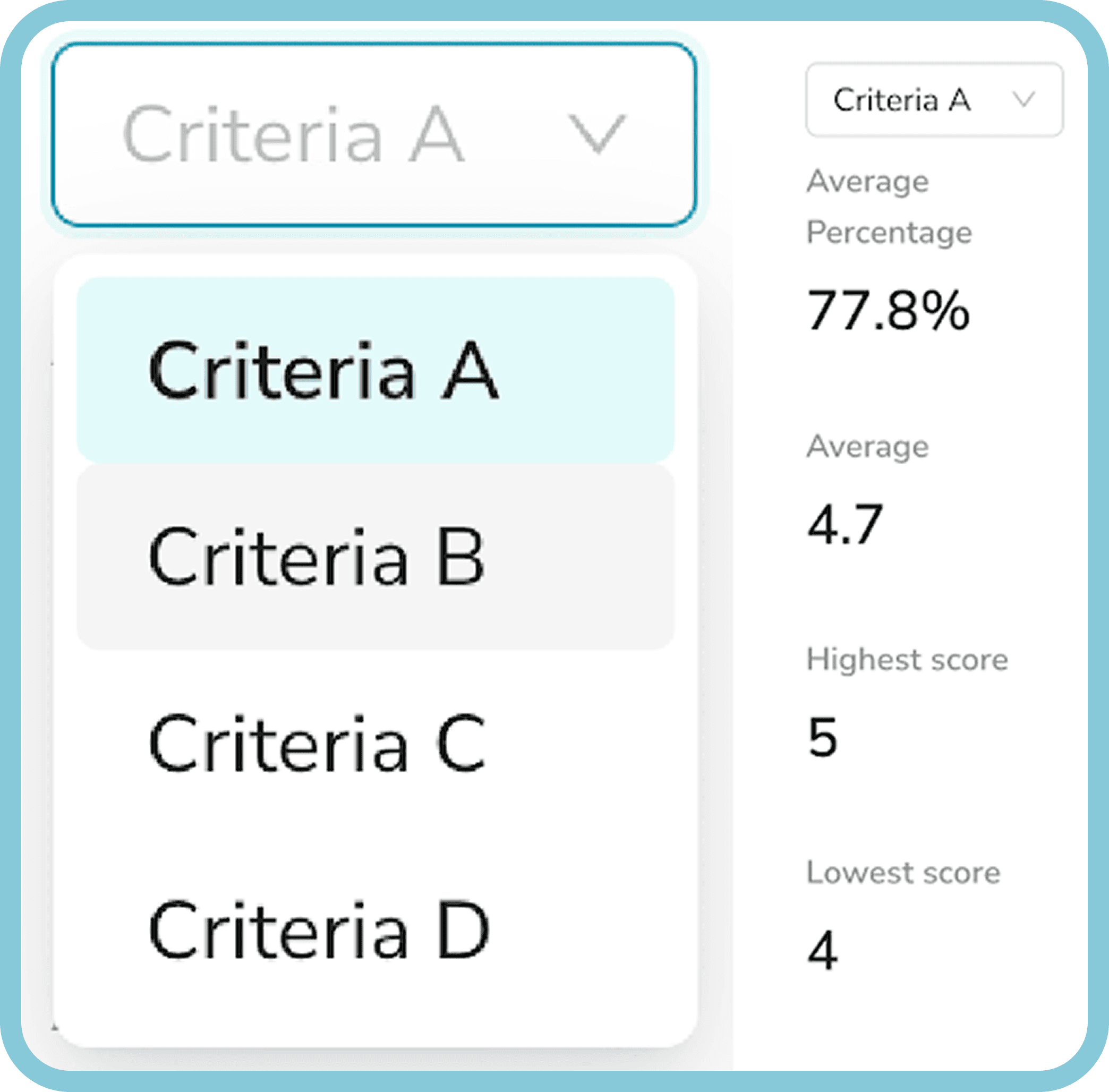
Action: Use this data to tweak your instructional plan. If Criterion A is performing significantly below Criterion B, you may need to reinforce certain skills or provide additional modelling for specific command terms.
✅ Tip 4: Drill down into individual question types
Performance should break down in detail, so you can analyse mastery at the question-type level. From rubric alignment to specific question performance, AssessPrep offers a 360° view of how each learner is progressing.
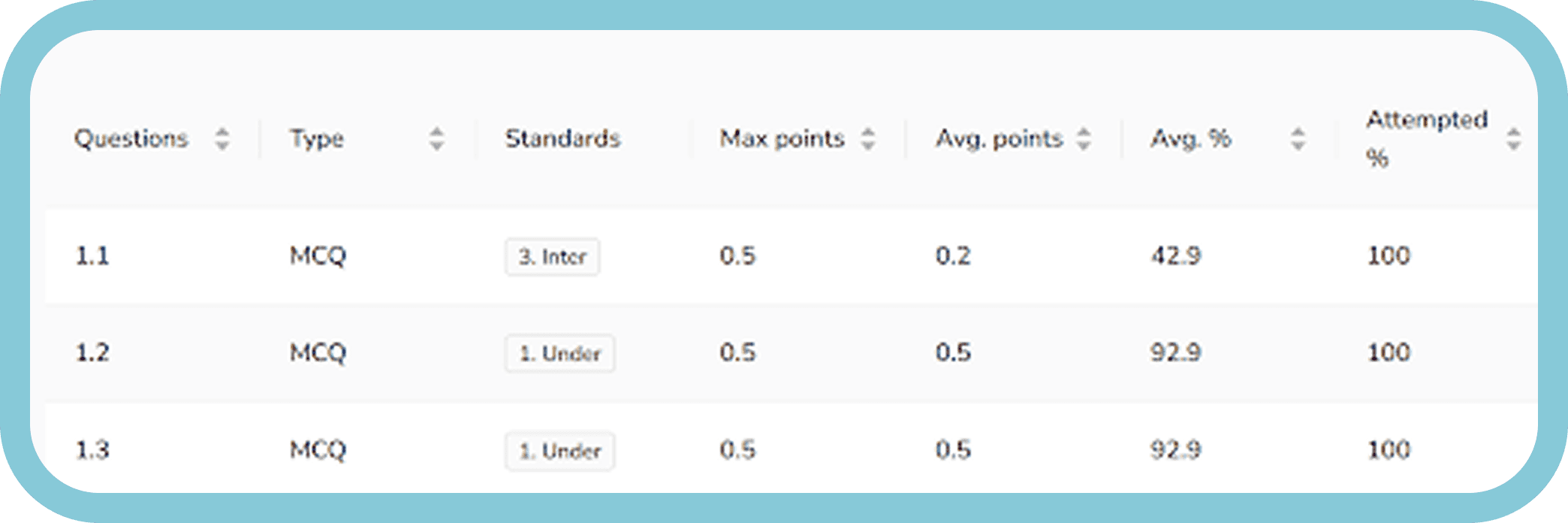
Action: Share feedback using this data, run 1:1 reflection conversations with students, or set goal-setting activities where students respond to their own assessment profiles.
By embedding these data-driven practices into your IB classroom, you align with the IB's emphasis on reflection and continuous improvement, save instructional time, and make smarter decisions in the classroom.
Curious to see how 63% of educators improve learning outcomes by providing instant feedback through digital assessment? Read more here.
Aligning digital assessment with the IB growth philosophy
Embedding digital assessment practices is essential for IB alignment, and it saves valuable instructional time at the same time. The IB philosophy is built on growth, not grades. Digital assessment carries equal value for students and teachers as a mirror for reflection.
The learning journey starts with the feedback that comes in from digital assessment analytics. When data becomes a shared language between teacher and student, the classroom becomes a space for intentional learning, not just task completion.
See how schools like ISA Almere and Vienna International School transformed their grading workflows and built student confidence. Read their stories.
Transform your classroom with data-driven digital assessments
If you are ready to move from intuition to intelligent instruction through IB digital assessment, it is time to see how AssessPrep's IB grading platform fits your assessment cycle.
Book a demo or explore our grading and analytics overview.
AssessPrep is the AI-powered on-screen assessment platform 800+ IB schools use to turn digital assessment data into criterion-aligned insights with real-time analytics, AI grading, and per-student progress tracking across 85+ countries.'
Key takeaways
IB digital assessment data turns into actionable instruction when teachers read patterns: class traffic-light, question-level errors, criterion-by-criterion gaps, and per-student question-type mastery.
A DP Literature study published by the IBO showed average rubric scores rose by 11% on subsequent essays after students compared and critiqued one another's work. Feedback drives measurable gains.
Criterion-by-criterion analytics (A, B, C, D average achievement level) tell teachers exactly which skill or command term needs reinforcement before the next assessment.
AssessPrep's grading and analytics surface real-time IB digital assessment insights for IB MYP and DP teachers, with rubric alignment, traffic-light views, and question-type drill-downs in one platform.
63% of educators report improved learning outcomes when they provide instant feedback through digital assessment. The platform makes that loop possible inside the existing IB cycle.
Frequently asked questions
What does IB digital assessment analytics actually show teachers?
IB digital assessment analytics show teachers four things at once: a class-level traffic-light view of performance, question-level breakdowns of which items the class struggled with, criterion-by-criterion average achievement (A, B, C, D), and individual student mastery at the question-type level. The combined view replaces guesswork with evidence and lets teachers target the next lesson at the actual gap.
How do criterion-based scores work in IB digital assessment platforms?
Criterion-based scores in IB digital assessment platforms like AssessPrep calculate the average achievement level for each MYP or DP criterion and display it alongside class trends. If Criterion A is consistently below Criterion B, the platform flags it so teachers know exactly where to focus the next cycle of instruction.
Can IB digital assessment data inform formative teaching, not just summative grading?
Yes. Digital assessment data is most powerful in formative cycles, where IB teachers use real-time class trends, question-level error patterns, and per-student profiles to adjust the next lesson, design targeted mini-lessons, and run 1:1 reflection conversations. The data drives instruction, not just reporting.
How does digital assessment align with the IB philosophy of growth?
Digital assessment becomes a mirror for reflection rather than a final grade. The IB's emphasis on ATL skills and continuous improvement maps directly onto a feedback-rich workflow: students see their patterns, teachers adjust their instruction, and the classroom shifts from task completion to intentional learning.
What are some examples of IB schools using digital assessment data effectively?
Schools like ISA Almere and Vienna International School have transformed their grading workflows on AssessPrep, building student confidence through faster, data-driven feedback. A DP Literature study published by the IBO also documented an 11% rise in average rubric scores on subsequent essays after students compared and critiqued one another's work.
Articles
Read more from our blog

The DBQ Rubric: All 7 points and How to grade each one
The DBQ rubric scores essays out of 7 in APUSH, AP World and AP Euro. See each point, a real DBQ marked point by point, and 3 common marking mistakes.

How to grade with AI: A step-by-step guide for teachers
Learn how to grade with AI in 5 practical steps, from rubric setup to final review. A teacher's guide to AI grading for IB, Cambridge, and Pearson schools.
10 mins read